How Can AI Make Higher Education More Valuable?
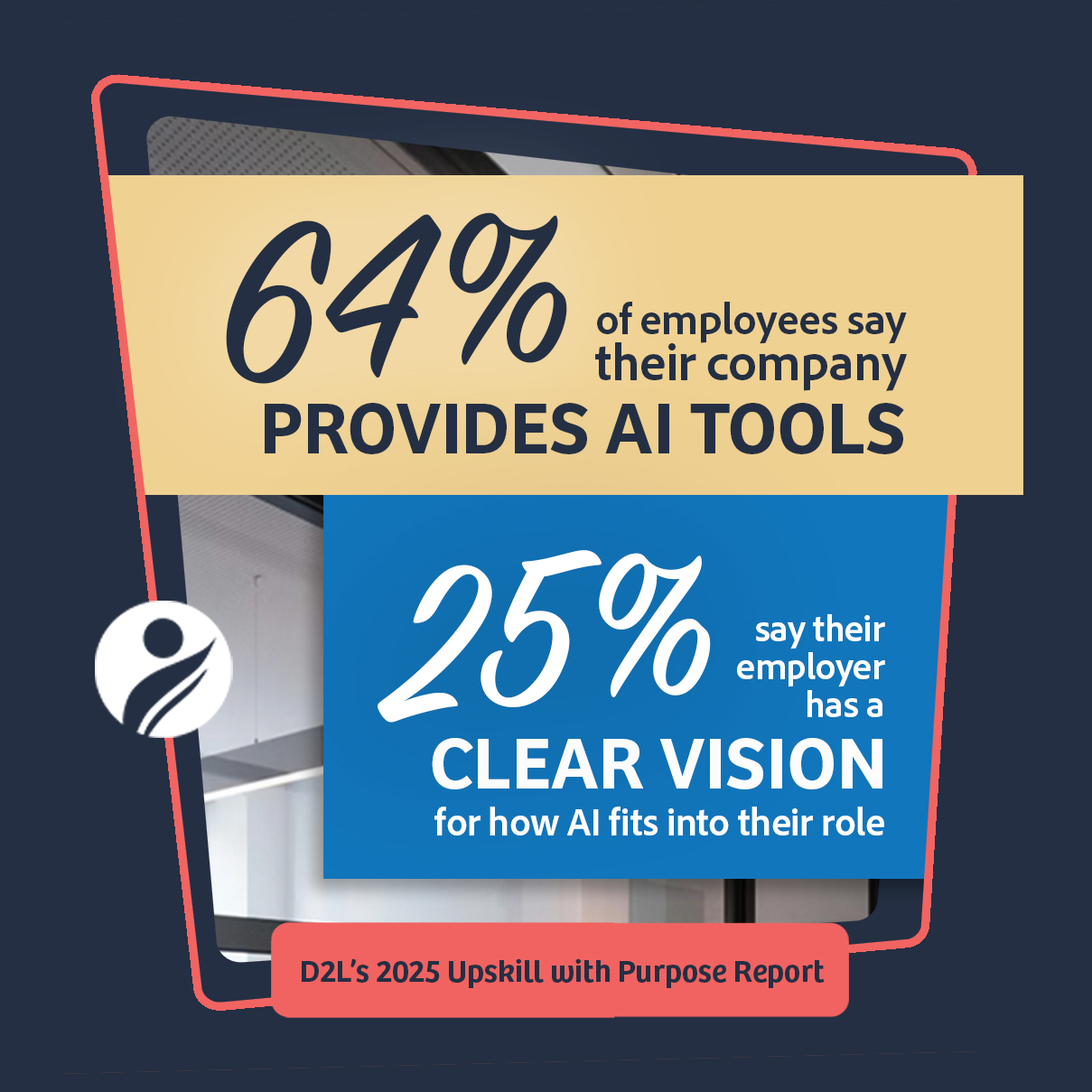
People keep asking me whether AI is going to kill higher education. I understand the question. The tools are impressive, the headlines are loud, and many recent graduates are having a harder time finding jobs than they expected. Based on what we’re seeing today, my answer is no, and I can show the work. I also have a second answer that usually surprises people because I believe AI could create one of the biggest opportunities for skills-based training in the thirty-plus years I’ve been in this field.
Written by: Dr. Donald Grimes Connect on LinkedIn
Why Degrees Still Matter
Employers are clear about what they pay for. The World Economic Forum surveyed more than 1,000 of them and asked which skills matter most. Analytical thinking came first, with seven in ten calling it essential. Resilience, flexibility, leadership, and creative thinking also ranked high. AI and big data are the fastest-growing skills on the list, but employers also expect creative thinking, resilience, and curiosity to rise alongside them.
NACE’s Job Outlook 2026 Spring Update says the same thing about new graduates. Employers want evidence of teamwork, problem-solving, and communication before almost anything else.
Look at those lists. Writing clearly. Reasoning through a problem no one has handed you before. Working with people who disagree with you. That is the core of a liberal arts education, and it has been for a long time. As AI takes on more routine tasks, the ability to think critically, exercise judgment, and communicate effectively becomes even more valuable.
The tool can produce an answer in seconds. Someone still has to know whether the answer is right, decide what to do with it, and explain that decision to a person who didn’t ask for it. Colleges teach that, and the people who hire our graduates know it. In AAC&U’s survey of 1,030 executives and hiring managers released last December, 85% said colleges and universities do a good job preparing students for the workforce. Employers are also clear about AI, with nine in ten wanting graduates to build AI skills in college.
Enrollment tells a more complicated story. The National Student Clearinghouse counted 19.4 million students in fall 2025, up 1.0% and above the pre-pandemic level. Enrollment data does not suggest that AI is emptying campuses, but students are changing what they choose, and colleges have to keep demonstrating their value.
That’s the first answer. Here’s the second.
The Growing Demand for Short-Term Training
The same forces that keep the degree valuable are creating significant opportunities for skills-based training. The World Economic Forum estimates that 59 of every 100 workers will need training before the decade ends. That creates an enormous opportunity for colleges and employers to help people develop new skills throughout their careers.
Lightcast analyzed 1.3 billion job postings and found that postings asking for AI skills advertise pay that is 28% higher. More than half of those postings are outside IT and computer science. The person who needs AI training is often a nurse, marketer, payroll manager, or loan officer. That person does not necessarily need a new degree. They need a course built around the job, finished in weeks, taught by someone who has done the work.
The market is already moving. Seventy percent of employers in NACE’s Job Outlook 2026 survey use skills-based hiring. In AAC&U’s 2023 survey, 68% of employers said their preferred candidate holds a degree plus a microcredential, and they valued a microcredential in critical thinking or communication about as much as a technical one.
Short-term training is also gaining attention as an educational pathway. Certificate enrollment grew faster than bachelor’s enrollment again in fall 2025, and the new Workforce Pell framework creates a pathway for eligible short-term training programs to qualify for federal student aid. Together, these developments point to growing opportunities for colleges that can respond quickly to workforce needs.
Why Colleges Should Offer Both
As an Executive Vice President at the University of the Cumberlands and CEO at The Center for Professional Development, I run both sides of this. The University of the Cumberlands grants the degrees. The Center for Professional Development, our non-degree workforce training organization, has grown to serve more than 7,000 students across more than 1,000 courses, most of which are measured in weeks.
Degree programs develop the broad knowledge, critical thinking, and professional judgment people carry throughout their careers. Short-term training helps them apply those capabilities to emerging tools and changing job requirements. The same person usually needs both, just at different points in life.
For colleges, this creates an opportunity to build relationships with learners that begin with a degree and continue through short courses, professional credentials, and ongoing career development. Institutions that offer both may be better positioned to respond to the opportunities and challenges AI brings.
Four Steps Colleges Can Take Now
If I had to act on this tomorrow, I would do four things:
- Put the durable skills in writing. Name critical thinking and communication as outcomes in every degree, assess them, and show employers the evidence.
- Teach AI inside the discipline. For instance, nursing, business, and education students use the tools their fields actually use, check the output, and defend their decisions.
- Build the short course first. Stand up job-specific AI training for working adults now, and let it stack toward a degree later.
- Measure what employers measure. Track whether graduates and trainees get hired, promoted, and paid, and publish the numbers.
AI is changing what people need to know and how often they need to learn. Colleges that combine strong degree programs with practical, short-term workforce training have an opportunity to lead that change. Colleges that prepare students for their first careers and continue helping them develop throughout their working lives will be well positioned to contribute to the future of higher education.
Where are you seeing AI strengthen education and training, AND where are you seeing it hollow them out?
> Read Article: Employers Want AI Skills. How Colleges and Companies Can Keep Up.
> Read Article: Who’s Going to Train the 59% of Workers Needing New Skills by 2030?
Sources
- World Economic Forum, Future of Jobs Report 2025 (1,000+ employers, 14 million+ workers, 55 economies), Jan. 7, 2025: The Future of Jobs Report 2025 | World Economic Forum
- NACE, “The High-Impact Skills College Students Should Showcase on Their Resumes” (Job Outlook 2026 Spring Update, 185 employers, surveyed Feb. 12 to Mar. 17, 2026), Apr. 23, 2026: https://www.naceweb.org/about-us/press/2026/the-high-impact-skills-college-students-should-showcase…
- NACE, “What Students Need to Know About the Skills-Based Hiring Process” (Job Outlook 2026, 70% of employers use skills-based hiring, up from 65%): https://naceweb.org/job-market/trends-and-predictions/what-students-need-to-know-about-the-skills-b…
- AAC&U, The Agility Imperative: How Employers View Preparation for an Uncertain Future (Morning Consult, 1,030 executives and hiring managers, surveyed Aug. 11 to 24, 2025), Dec. 11, 2025: https://www.aacu.org/research/the-agility-imperative
- AAC&U, The Career-Ready Graduate: What Employers Say About the Difference College Makes (Morning Consult, 1,010 employers, May 2023): https://www.aacu.org/research/the-career-ready-graduate-what-employers-say-about-the-difference-col…
- National Student Clearinghouse Research Center, “Fall Undergraduate Enrollment Shows Overall Growth Despite Decline at Private Colleges” (Final Fall Enrollment Trends, fall 2025), Jan. 15, 2026: https://www.studentclearinghouse.org/news/fall-undergraduate-enrollment-shows-overall-growth-despit…
- Lightcast, Beyond the Buzz: Developing the AI Skills Employers Actually Need (1.3 billion job postings), July 2025: https://lightcast.io/resources/research/beyond-the-buzz-developing-the-ai-skills-employers-actually…
- U.S. Department of Education, Workforce Pell final rule, Federal Register, May 19, 2026: Accountability in Higher Education and Access Through Demand-Driven Workforce Pell: Pell Grant Exclu…