Who’s Going to Train the 59% of Workers Needing New Skills by 2030?
I look at this question from two perspectives. As an Executive Vice President at the University of the Cumberlands, I help students earn degrees. but I also serve as CEO at The Center for Professional Development, a nonprofit within the University that offers non-degree courses. Both roles support the same person at different stages, and that’s what I want to talk about here. Most discussions about AI in higher education still focus on 18-year-olds in lecture halls. But over the next five years, the greater need is with adults who are already working.
Written by: Dr. Donnie Grimes Connect on LinkedIn
The skills gap is growing, but training isn’t keeping up.
The World Economic Forum asked over 1,000 employers, representing more than 14 million workers, about the future of jobs. They expect 39% of workers’ core skills to change by 2030, meaning 59 out of every 100 workers will need new training before the decade ends. Eighty-five percent of employers plan to focus on upskilling.
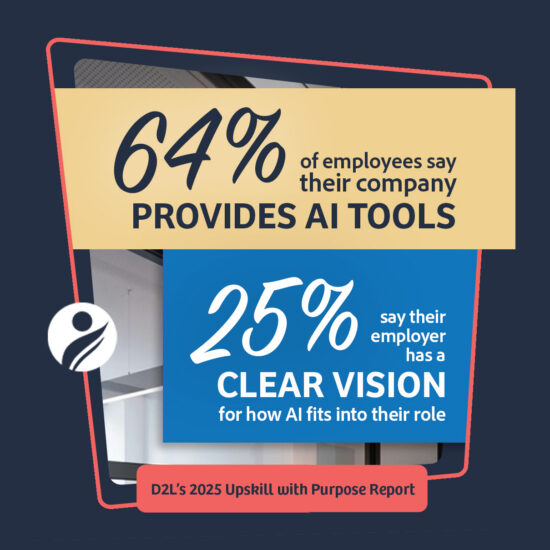
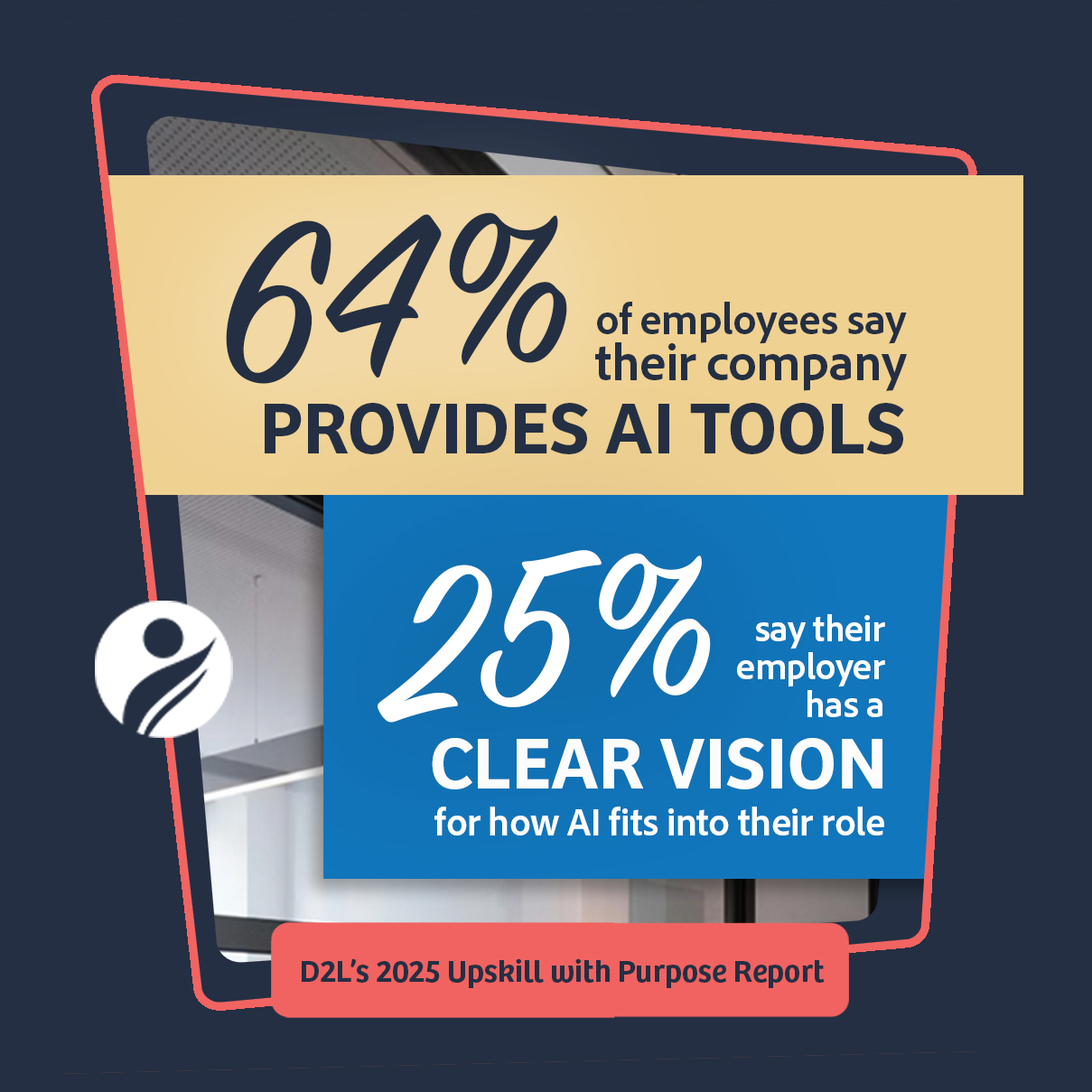
Employers can’t do this alone. The Conference Board surveyed almost 1,300 workers. More than half (55%) use generative AI or AI agents at least weekly, but only 33% received AI training from their employer in the past six months. Another 28% say their organization doesn’t offer any AI training. Less than half feel they have enough time (48%) or tools (48%) to build AI skills at work. When training is available, it usually covers only basic prompting and rarely addresses workflow redesign or the management of AI agents.
Working adults need skills they can use now.
This is where colleges often miss the mark. A worker who needs to use an AI agent or change a workflow doesn’t need another degree. They need a specific skill, taught by someone with real experience, and they need it in weeks, not years. Non-degree learning is already common. Strada’s analysis of a 2020 Strada-Gallup survey of nearly 14,000 adults found that 40% of working-age adults have finished a non-degree program or credential, and colleges and universities provide almost half of those.
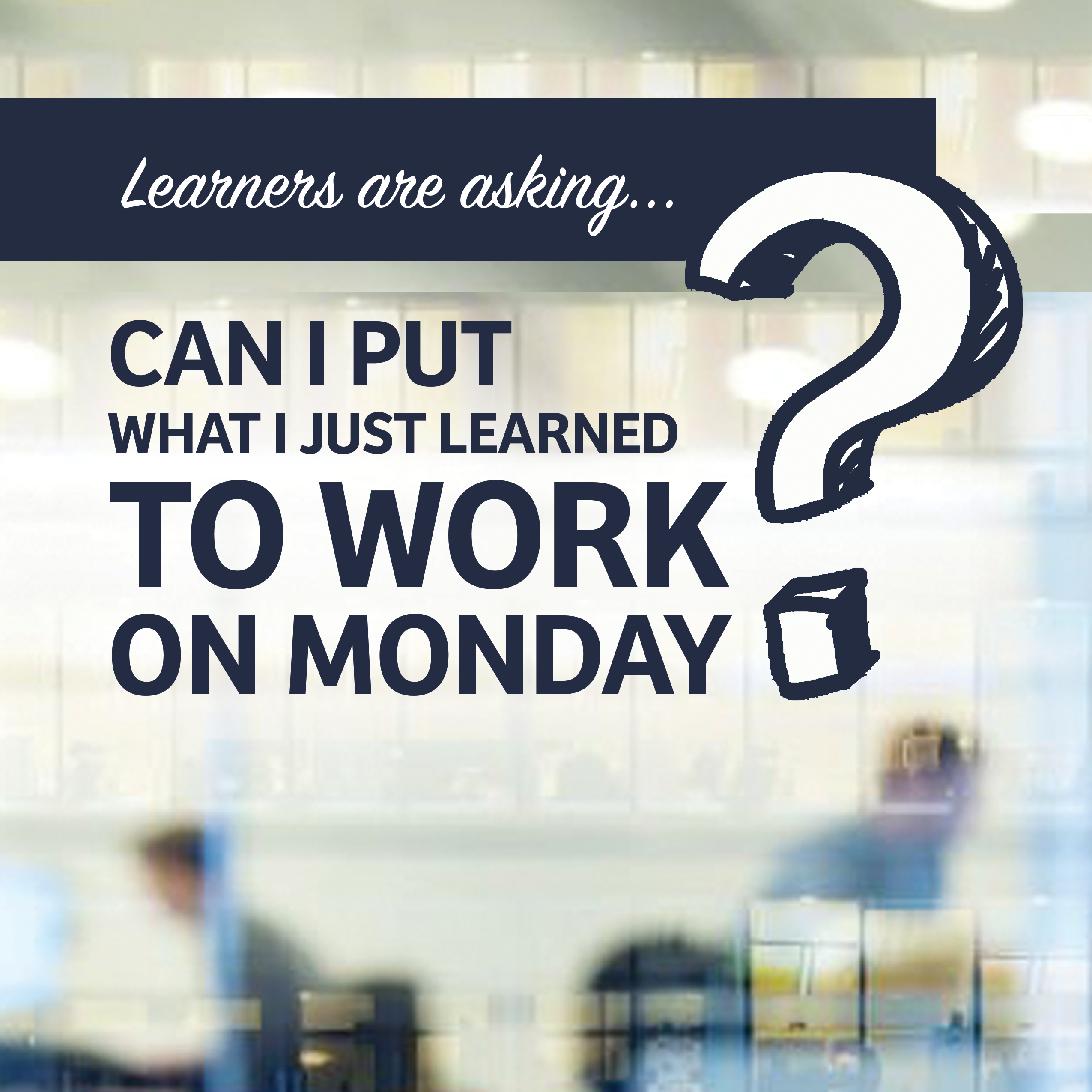
At The Center for Professional Development, we offer short certificate courses, custom training developed with employers for their teams, and classes designed to help people advance their careers quickly. Our learners judge us by the question, “Can I put this to work on Monday?”
Federal policy just caught up with that reality. Workforce Pell took effect this summer. Under the Department of Education’s final rule, eligible students can use Pell Grants for approved programs of 150 to 599 clock hours that run at least 8 and fewer than 15 weeks and lead to a recognized credential. Governors approve the programs, and the Department of Education verifies them. For the first time, Pell Grants can pay for short-term training programs.
For many working adults, a degree is still part of the journey.
Short-term training can help working adults meet immediate needs, but it can also be part of a longer educational journey. The degree side matters too, because many of these same adults have unfinished business with college. The National Student Clearinghouse Research Center reports that 37.6 million working-age Americans have some college but no credential. A record one million re-enrolled in 2023-24, and that still equals only 2.7% of the group.
They did not leave because they could not do the work. Trellis Strategies surveyed 3,182 former students. The top reasons for stopping out were personal finances (35%), family or personal responsibilities (32%), and employment (27%). Seventy-two percent worked while enrolled. Even so, 73% believe finishing a degree would improve their earning potential, and 63% plan to return someday.
We can connect the two paths.
So, working adults have two options. One is a short course that helps them solve a problem at work. The other is returning to finish a degree. The schools that best support working adults in the coming years will connect these two paths. Here’s what I believe it takes to do that.
- Start with the short credential and let it count toward a degree later. A working adult should be able to earn a job-ready certificate in a few weeks and use it toward a bachelor’s or master’s degree when the time is right.
- Create programs together with employers, not just for them. It’s just as important for employers to give their people time to learn as it is to have a good curriculum.
- Make it easier for returning students to come back. Flexible schedules, credit for past learning, simple financial aid help, and proactive advising all address the main reasons adults leave school.
- Reach out to people before they leave. Trellis found that 71% of students who stopped out never spoke with a faculty or staff member before leaving. After more than thirty years of teaching, I know that one conversation can change someone’s path.
Traditional students are still important. I recommend focusing on the person who needs a new skill by Friday and might want a degree by 2030.
How is your college, company, or training group helping working adults learn new skills?
> Read Article: Employers Want AI Skills. Are Colleges and Companies Keeping Up?
Sources
- World Economic Forum, Future of Jobs Report 2025: https://www.weforum.org/publications/the-future-of-jobs-report-2025/
- The Conference Board, “Most Organizations Are Preparing Workers for Today’s AI, Not Tomorrow’s Jobs”: https://www.conference-board.org/press/ai-skilling
- S. Department of Education, Workforce Pell final rule, Federal Register, May 19, 2026: https://www.federalregister.gov/documents/2026/05/19/2026-10013/accountability-in-higher-education-and-access-through-demand-driven-workforce-pell-pell-grant
- National Student Clearinghouse, “Record Number of Students Re-Enroll in College” (Some College, No Credential report): https://www.studentclearinghouse.org/nscblog/record-number-of-students-re-enroll-in-college/
- Community College Daily, “Insights from ‘some college, no credential’ learners” (Trellis Strategies survey): https://www.ccdaily.com/2026/04/insights-from-some-college-no-credential-learners/